


News & Events
News

27 October 2025
New Therapeutic Potential for CBDV: Targeting Tumor Immunosuppression to Enhance Anti-Cancer Immunity
The study establishes CBDV as a new immunotherapeutic agent that directly neutralizes myeloid suppressor cells, thereby enhancing the immune system’s response against cancer
Cannabidivarin (CBDV) directly reprograms immunosuppressive myeloid cells and slows tumor progression, offering a novel immunotherapeutic avenue.
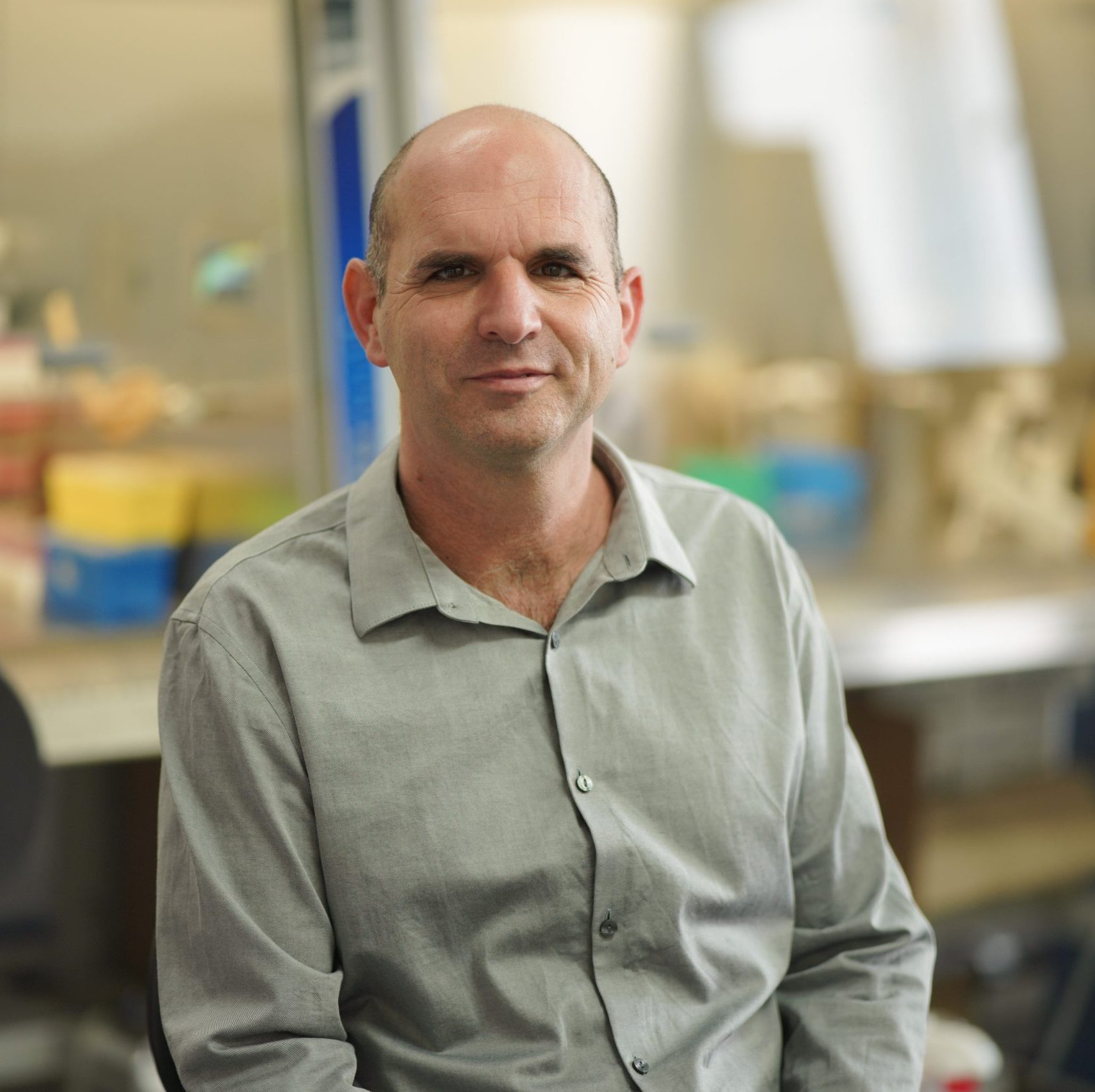
In a recent publication in Biomedicine & Pharmacotherapy, RTICC member Prof. David Meiri from the Technion – Israel Institute of Technology reports that Cannabidivarin (CBDV), a minor non-psychoactive cannabinoid, directly targets immunosuppressive myeloid cells in the tumor microenvironment (TME), reversing their suppressive functions and improving anti-tumor immune responses.
Helping the Immune System Fight Back
The study showed that Cannabidivarin (CBDV) — a non-psychoactive compound from the Cannabis sativa plant — can change the behavior of certain immune cells that normally protect tumors from the body’s defenses. These cells, known as myeloid-derived suppressor cells (MDSCs) and tumor-associated macrophages (TAMs), typically hinder the immune system's ability to fight cancer. The researchers found that CBDV reduces the activity of these suppressive cells, allowing immune “killer” T cells to function more effectively and target tumor cells. In experiments with mice, CBDV treatment slowed down tumor growth and made the immune response against cancer stronger. Importantly, the same effects were seen when human immune cells were tested in the lab, suggesting that this approach could be relevant to people as well.
Looking Ahead
While these findings are still at an early, experimental stage, they point to a new way to help the immune system fight cancer. CBDV itself isn’t yet a treatment approved for patients, but the results encourage further research to see whether it could be used alone or with other cancer therapies in the future. These findings showcase the vast potential of CBDV in improving the success rate of cancer treatment.
The Research has been published in Biomedicine & Pharmacotherapy

